
Rust Stains On Your Siding: What It Means For Your Paint
Learn How To Stop Rust Stains From Returning
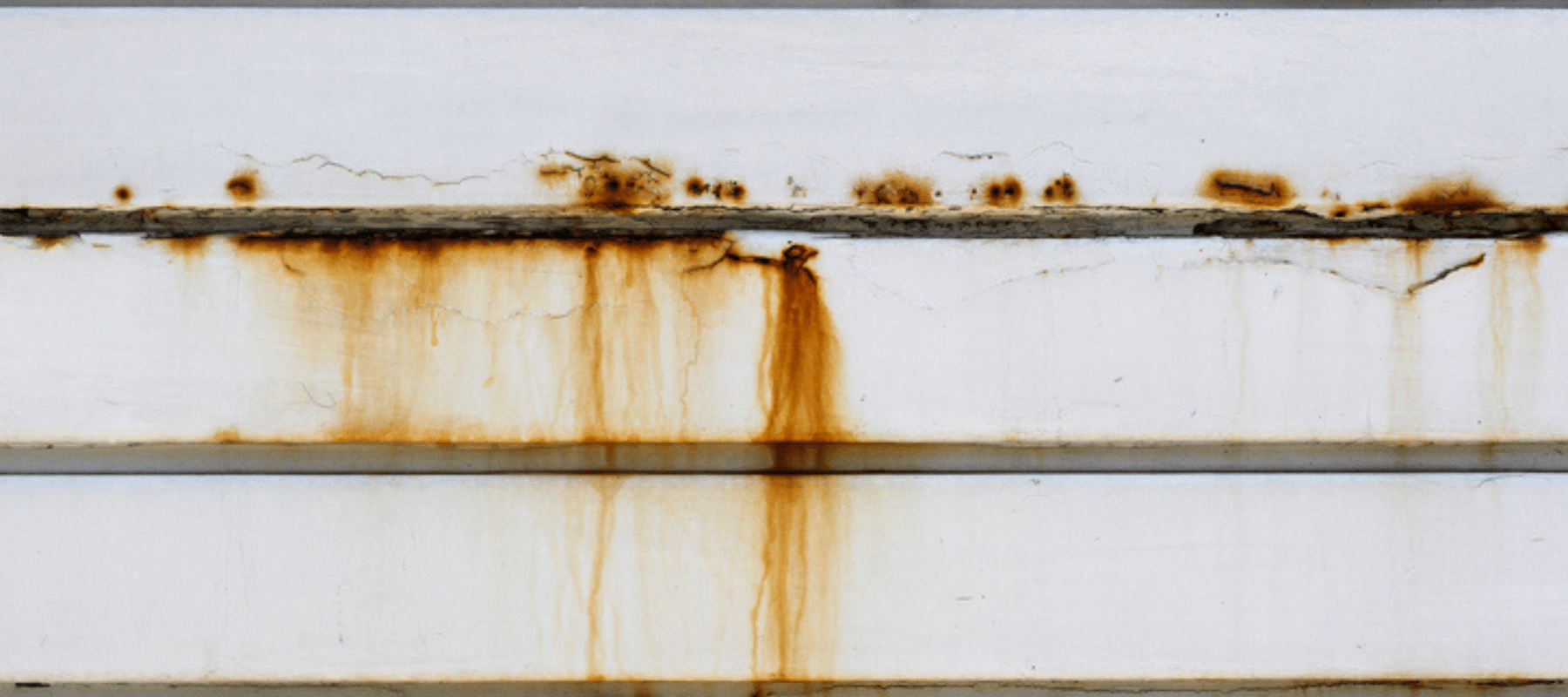
Rust stains have a way of making a well-kept home look aged and neglected. No matter how much effort goes into cleaning or repainting, those streaky orange marks always seem to return. They create the impression of wear and decay, even when a home is otherwise well-maintained.
More than just an eyesore, rust stains often signal deeper issues with moisture and paint failure, allowing corrosion to take hold beneath the surface. The good news? A lasting solution exists — one that not only covers up rust stains but prevents them from forming in the first place.
Understanding what causes rust stains on siding and how to prevent them is key to keeping your home looking clean and polished for the long haul. Trust our experts at Rhino Shield Texas to share the information you need.
What Causes Rust Stains On Siding?
Rust forms on metal when it’s exposed to moisture and oxygen for extended periods. The most common causes of rust stains on siding are explored below.
1. Exposed Nails And Fasteners
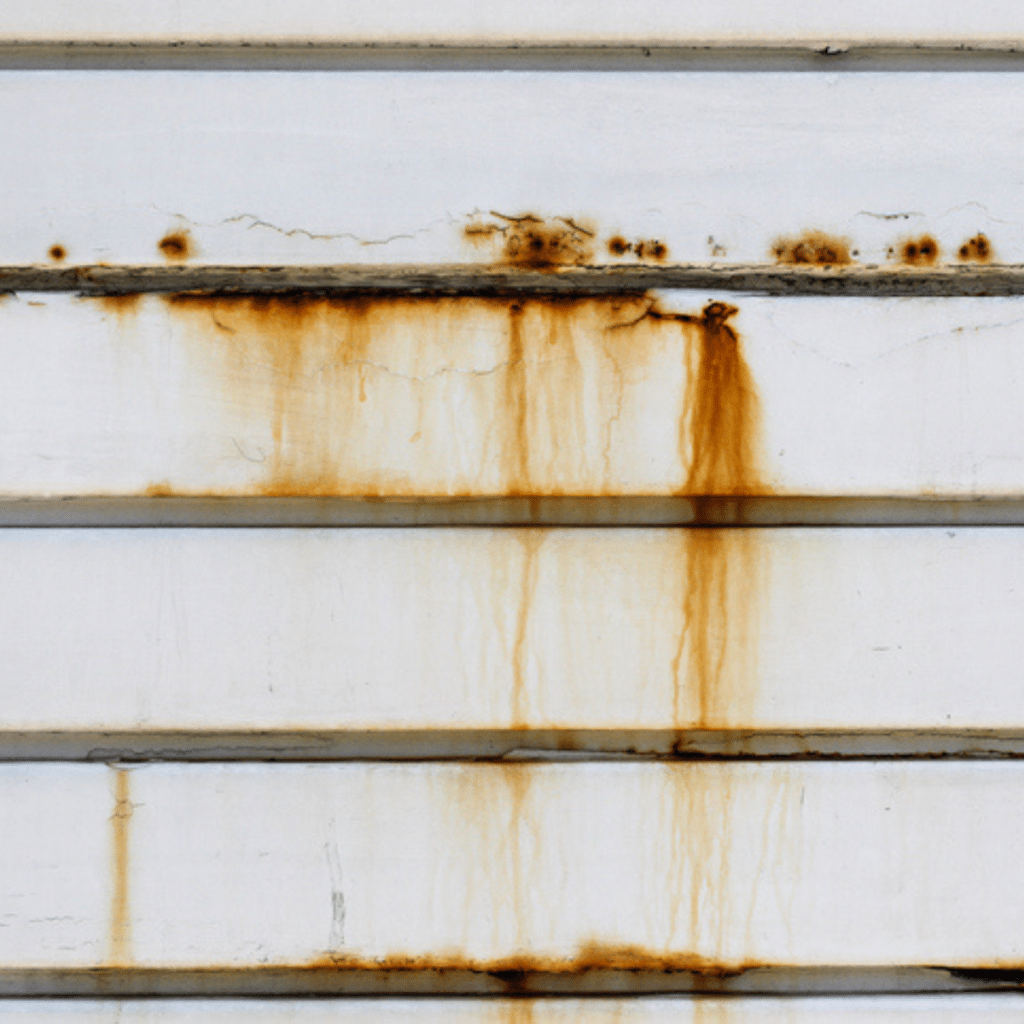
If your siding was installed using non-stainless steel nails, screws or staples, they may begin to rust over time — especially in humid climates. Once rust forms, water can carry it down your walls, leaving unsightly streaks.
Some homeowners wonder, “Do zinc-plated steel screws rust on aluminum siding?” While zinc plating offers some protection, it won’t prevent rust entirely, especially if the screws aren’t properly sealed.
2. Metal Fixtures And Decorative Features
Exterior light fixtures, railings and decorative metal elements can rust if they aren’t coated or rust-resistant. Water runoff from these fixtures can drip down your siding, leaving rust stains behind. This problem is especially common near entryways, windows and gutters.
3. Water Runoff And Poor Drainage
Excess moisture is one of the leading contributors to rust stains on siding. If water regularly runs down the same sections of your home due to clogged gutters, misaligned downspouts or poor drainage, rust can start to spread from nearby metal components. Even tiny cracks in siding can trap water, creating the perfect conditions for corrosion.
Why Traditional Paints Fail To Prevent Rust
If your first instinct is to paint over rust stains, you’re not alone. Unfortunately, this only provides a temporary fix — and in many cases, it can make the problem worse. Here’s why:
- Water-based paints absorb moisture — Many common exterior paints allow moisture to seep in, which means water can still reach metal fasteners and cause rust to spread.
- Thin paint layers offer little protection — Traditional paints wear down over time, exposing siding to the elements. Without a strong barrier, rust stains will continue to show up.
- Paint can trap existing rust – If rust isn’t completely removed before painting, it can continue to corrode underneath the surface, eventually breaking through and ruining the fresh paint job.
This is where ceramic coatings like RhinoShield offer a better solution. Instead of simply covering up rust stains, RhinoShield’s advanced technology prevents them from forming in the first place.
How To Remove Rust Stains On Vinyl And Aluminum Siding
Many homeowners looking to remove rust from their siding turn to DIY solutions like vinegar, baking soda or commercial rust removers. While these methods may help lighten stains temporarily, they don’t address the underlying issue — moisture infiltration that causes rust to spread.
Some approaches can even make the problem worse. Scrubbing with harsh chemicals may seem like a quick fix, but it can damage the surface of vinyl and aluminum siding, making future rust stains more likely. Painting over rust is another common attempt at a solution, but unless the source of the rust is eliminated, the stains will eventually reappear.
The most effective way to stop rust stains for good is by sealing and protecting the home’s exterior with a durable, moisture-resistant coating that prevents corrosion from taking hold in the first place.
RhinoShield: The Ultimate Protection Against Rust Stains
If you’re constantly battling rust stains on your siding, RhinoShield — the ceramic coating from our team — offers a long-lasting, rust-resistant solution. Unlike standard paint, RhinoShield is designed to:
- Repel moisture instead of absorbing it — RhinoShield’s waterproof properties prevent water from seeping into your siding and reaching metal components that could rust.
- Prevent water streaks and runoff stains — With a smooth, durable finish, RhinoShield makes it easy for rainwater to slide off your home without carrying rust particles down your siding.
- Last for 25 years — Unlike regular exterior paint, which needs frequent touch-ups, RhinoShield is backed by a 25-year warranty for long-term peace of mind.
With RhinoShield, rust stains become a thing of the past — not just covered up, but truly prevented. Instead of worrying about frequent repainting or scrubbing away stubborn stains, homeowners can enjoy a low-maintenance, long-lasting solution that enhances both curb appeal and protection.
Stop Rust Stains Before They Start — Upgrade Your Home’s Protection Today
If you’re tired of seeing rust on siding and want a permanent, maintenance-free solution, Rhino Shield Texas has you covered. Our ceramic coating prevents water damage, corrosion and rust stains, so your home stays beautiful and protected for years to come.
Don’t waste time scrubbing away rust stains only for them to return — contact Rhino Shield Texas today and upgrade your home with a durable, rust-resistant exterior!
More Why Exterior Painting?

Bubbling Paint
Bubbles belong in the bathtub — not in your home's paint!
Exterior Paint Flaking Off
Don't let flaking paint bum you out — we have the solution!

Faded Exterior House Paint
Paint the world a brighter shade — Rhino Shield can help!